How to Track Body Weight and Measurements at the Gym
 Stay Fit Team··6 min read
Weight alone hides body composition changes. Here's what to actually measure, how often, and how to read the trend instead of one noisy data point.
Track body weight weekly and circumference measurements (waist, chest, arms, thighs) monthly, at the same time of day and under the same conditions each time. Weight alone can't tell fat loss apart from muscle gain happening at the same time - measurements can.
The scale is the easiest number to check and the least informative on its own.
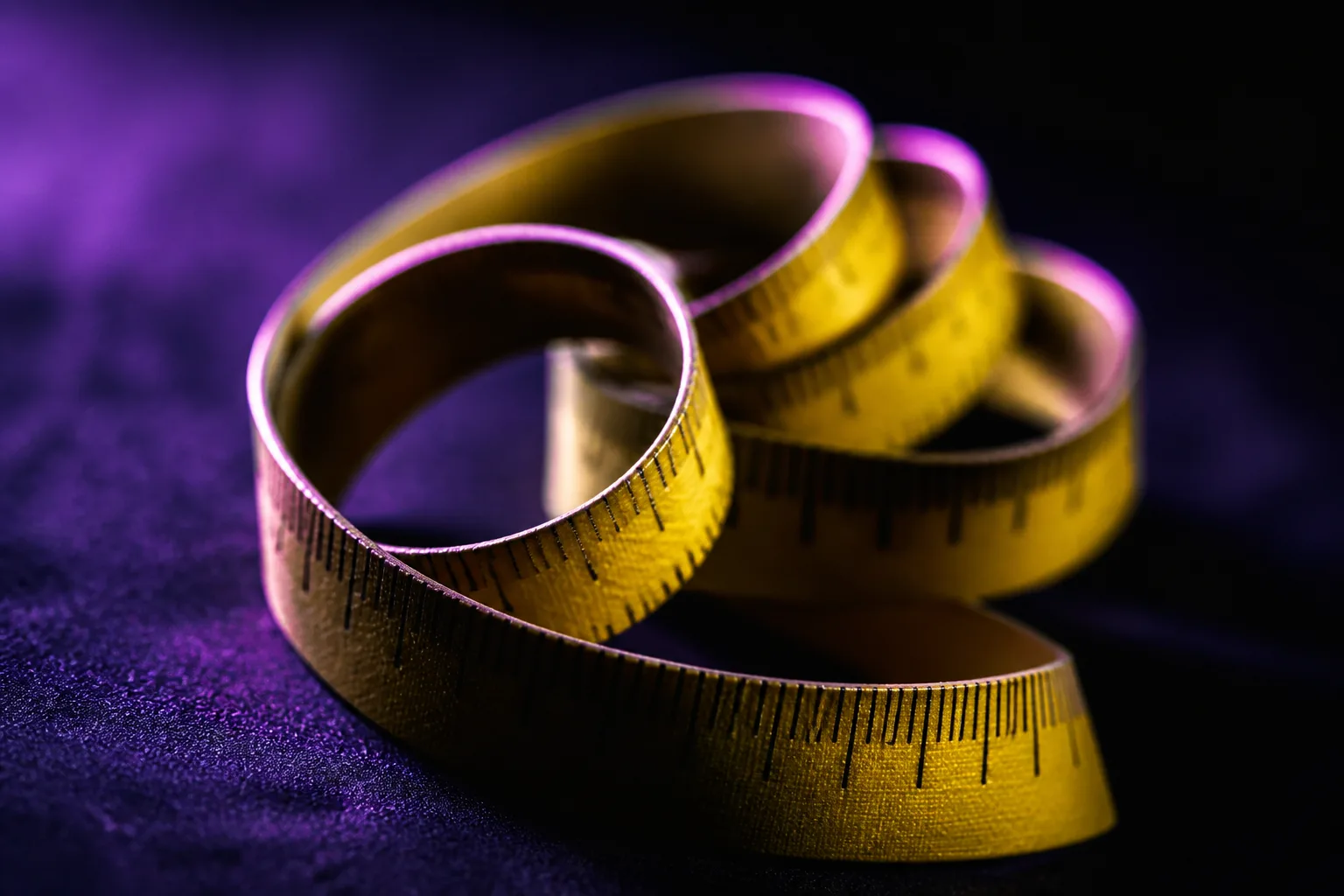
Two people can weigh the same after two months with completely different outcomes. One lost fat and gained muscle. One didn't change at all. The scale can't tell those apart. A tape measure can.
What to actually measure
Waist (at the navel) is the best fat-trend proxy most people can track without special equipment. It responds to fat changes more directly than total weight, which muscle gain elsewhere can mask.
Arms, chest, and thighs track the muscle side. Waist flat or shrinking while arms and thighs grow? That's a body-composition win the scale would call "no progress."
Weight and height (for BMI) still matter as a general trend line - just not as the only number.
Stay Fit tracks 9 measurement types - neck, shoulders, chest, arms, waist, forearms, thighs, calves, and body fat - plus weight and height/BMI, each charted over time on the Reports tab.

How often to actually measure
Weight bounces daily from water, food, and sodium. Checking every morning and panicking over a 0.5kg swing is reacting to noise.
Weekly, same time of day (morning, after bathroom, before eating) gives you a trend without the daily roller coaster.
Circumference changes slower and is sensitive to technique - how tight the tape is, exact spot on the body. Monthly, same technique each time, avoids both problems.
Reading the trend instead of the point
One measurement means almost nothing. Four to six data points start to show direction.
Waist bouncing between 32.5" and 33" over three checks with no clear trend? Normal noise, not a stall. Wait for a pattern before drawing conclusions.
What measurements can catch that weight can't
Classic blind spot: someone starts lifting, eats to maintain weight, scale shows zero change for two months - but waist shrinks and arms grow. Scale-only reading: failed two months. Measurement reading: exactly what most people training for body composition actually want.
That's the case where tracking more than weight saves you from a wrong conclusion.
Frequently asked questions
How often should I measure my body?+
Weekly for weight, same time of day and conditions each time; monthly for circumference measurements, since they change slower and daily noise (water, food, timing) swamps the signal if checked more often.
Which measurements actually matter for tracking muscle gain?+
Waist (fat trend) plus arms, chest, and thighs (muscle trend) together tell you more than weight alone, since weight can't distinguish fat loss from muscle gain happening at the same time.
Does Stay Fit track more than just body weight?+
Yes - weight, height/BMI, and 9 measurement types including waist, arms, chest, and body fat, each logged and charted over a 90-day trend.
Reader reviews
- B
I tried this workflow in two other loggers first. Both wanted a plan upgrade. Stay Fit let me finish the steps and save the session.
- H
Followed this in Stay Fit the same evening. The steps work because the app does not hide the feature behind Pro. I had been stuck in apps that do. One star off because I still want a bigger exercise demo library.
- C
This is the guide I needed and Stay Fit is the app that does not charge for it. Logged, exported, done.
- S
Bookmarked this and installed Stay Fit so I could execute it, not just read it. That combo is the first time a "how to" post earned a workout.
- I
How to Track Body Weight and Measurements at the Gym only helps if the app will actually let you do it. Stay Fit did. The tracker I paid for last year still gates this.
- L
Practical write-up. I ran it on Stay Fit between sets. No account, no cloud lecture, just the thing this article describes.
- T
I used to screenshot my log like an animal. Did this guide inside Stay Fit instead - still free, still on my phone, still mine.
Add a comment
You might also like
View all articlesWorkout Logging & History Guide (2026) [No Account, 100% Free]
The complete guide to workout logging and tracking workout history: what to record, how to read multi-week trends, and how to track every lift with no login, account, or subscription.
Guide
How to Log Workouts: Sets, Reps, and Weight Explained
A practical guide to logging sets, reps, and weight so the data actually tells you something - plus the logging habits that quietly wreck progressive overload.
Workout Logging Guide
Progress Photos for Fitness: A Practical Tracking Guide
Progress photos catch changes the scale misses. Here's how to take consistent ones, how often, and how to actually use them instead of just collecting them.
Workout Logging Guide
Start training
Ready to train without a subscription?